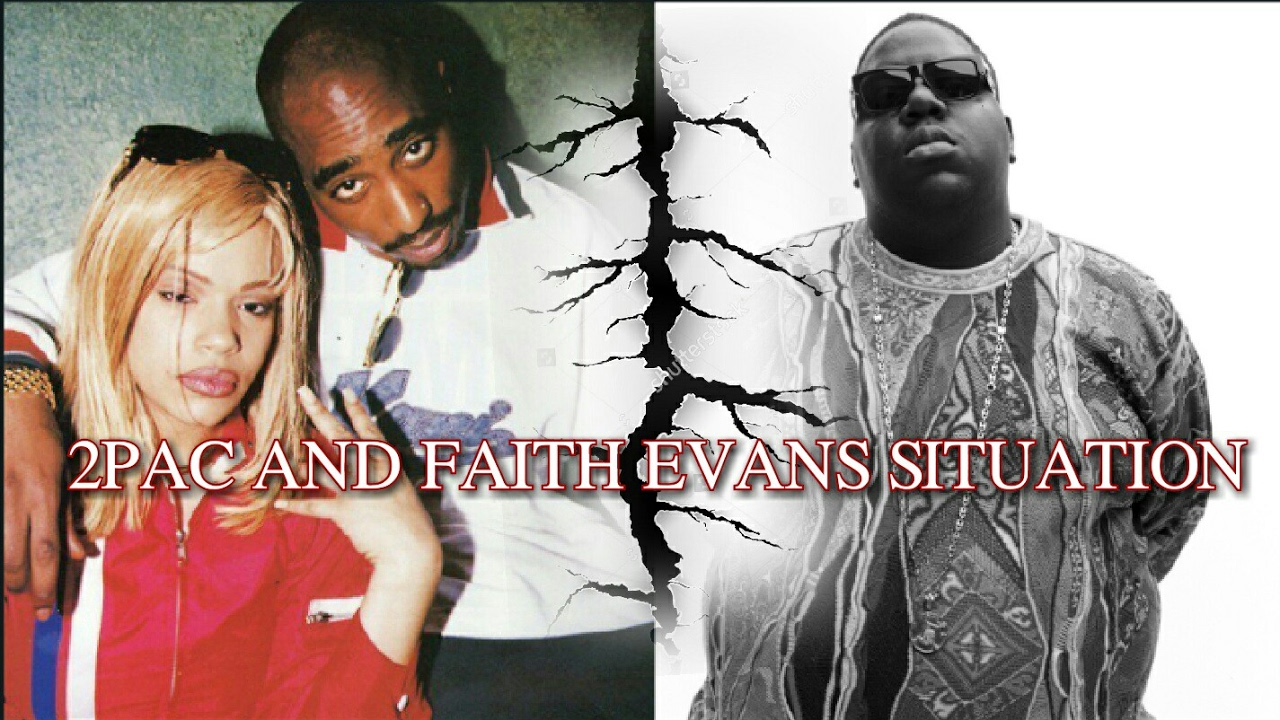
The Truth Behind the Rumors
In the mid-90s, the hip-hop world was consumed by the East Coast-West Coast rivalry, and few stories fueled the tabloids more than the alleged affair between Tupac Shakur and Faith Evans. As the wife of Tupac’s arch-rival, The Notorious B.I.G., Evans found herself at the center of a narrative that painted her as a pawn in a larger game of lyrical warfare. But what was the reality behind these explosive claims?
Setting the Record Straight
The rumors began in earnest when Tupac released his scathing diss track, "Hit 'Em Up," in 1996. In the song, Shakur explicitly claimed, "You claim to be a player, but I fucked your wife." For decades, this line was treated as gospel by fans, adding a layer of personal betrayal to the already volatile feud between Death Row and Bad Boy Records.
- •**You Won't Believe It:** Inside Pearl Davis's Boyfriend's Secret World
- •Mike Tysons Manager A Key Figure In The Boxing Legends Success
- •The Bunnie Emie Leak What The Media Isnt Telling You
- •Is Wi Hajoon Married Everything You Need To Know About The Rising Kdrama Star
- •Stacey Abrams Partner: What We Know About Her Private Life
However, Faith Evans has consistently and vehemently denied the affair. In her memoir and various interviews, she described a professional meeting that was twisted into a scandal. Evans recounted a studio session where she was hired to record vocals for a Tupac song. She maintains that their interaction remained strictly professional, involving nothing more than business and creative collaboration. According to Evans, Tupac attempted to proposition her, but she declined, leaving the studio immediately.
A Legacy of Misunderstanding
The persistence of the rumors speaks more to the chaotic climate of the era than to any factual evidence. Tupac was a master of psychological warfare, using his public platform to unsettle his rivals, and the allegation was a calculated move to humiliate Biggie Smalls. Ultimately, the "untold story" is one of media sensationalism weaponized during hip-hop's most tragic chapter, leaving behind a myth that refuses to fade despite the artist's own denials.
To explore further academic studies and guidelines, refer to search results on Official Academic & Government Portals.