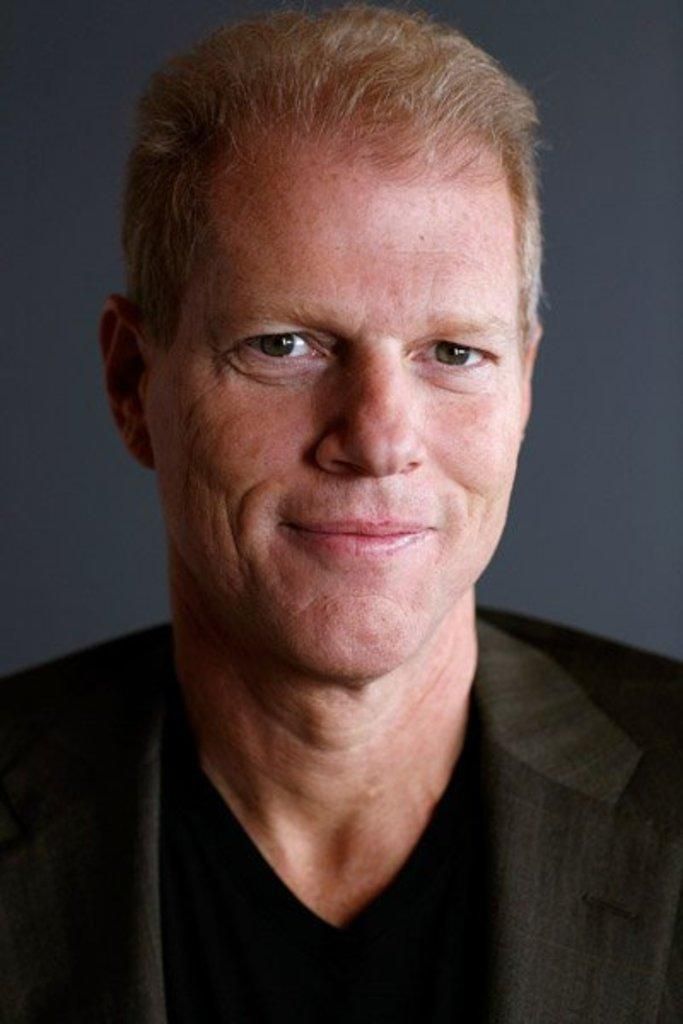
The Quiet Architect of Policy
In the landscape of modern political discourse, few names evoke as much polarized intensity as John Bolton. While the headlines often reduce his tenure to a series of sharp-edged cable news soundbites or contentious memoirs, a deeper analysis reveals a legacy defined by a singular, unwavering ideology: assertive American unilateralism. To understand Bolton is to look beyond the mustache and the podium, focusing instead on his consistent—and often controversial—efforts to reshape the mechanics of global diplomacy.
Beyond the Soundbites
Bolton’s professional footprint is most visible in his skepticism of international institutions. Whether serving at the United Nations or within the National Security Council, his approach was consistently rooted in the belief that binding international treaties often serve as a constraint on American sovereignty rather than a tool for stability. Critics argue this stance alienated crucial allies and weakened global norms. Conversely, his supporters view his career as a principled defense of national interests, arguing that he correctly identified the limitations of bureaucratic diplomacy in an era of rising great-power competition.
- •The Future Of Ms Sethis Onlyfans A Game Changer You Wont Believe
- •The Heartbreaking Truth: Why Alexis Bledel And Milo Ventimiglia Couldn't Make It Work.
- •**The Untold Story: What We *Really* Know About Emily Compagno Spouse!**
- •Effective Ways To Reach Ken Carson A Comprehensive Guide
- •Unveiling The Mysteries Of The 1996 Chinese Zodiac Rat Year Insights
A Lasting Impact
Ultimately, Bolton’s legacy is not just about the specific policies he championed, but the fundamental question he forced into the mainstream: Should the United States prioritize international consensus or national autonomy? By consistently challenging the status quo, he became a lightning rod for debate. Regardless of where one stands on his interventions or his hawkish foreign policy, his influence on the architecture of American statecraft remains undeniable. He did not merely participate in the machinery of government; he sought to rewire it entirely, leaving behind a blueprint that continues to inform the strategies of both his fiercest critics and his most dedicated followers.
To explore further academic studies and guidelines, refer to search results on Official Academic & Government Portals.