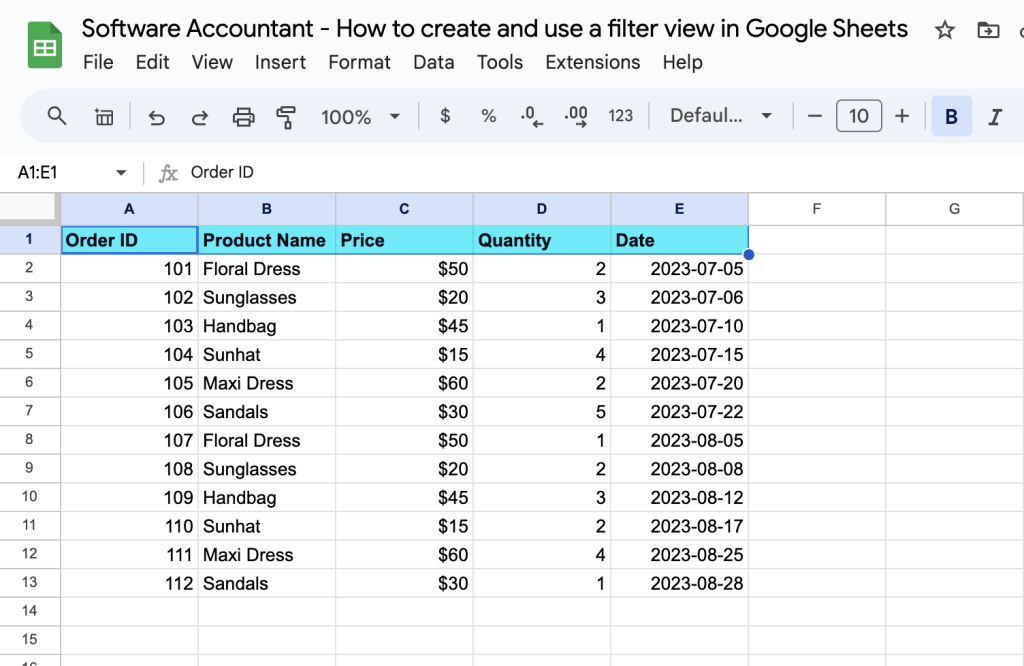
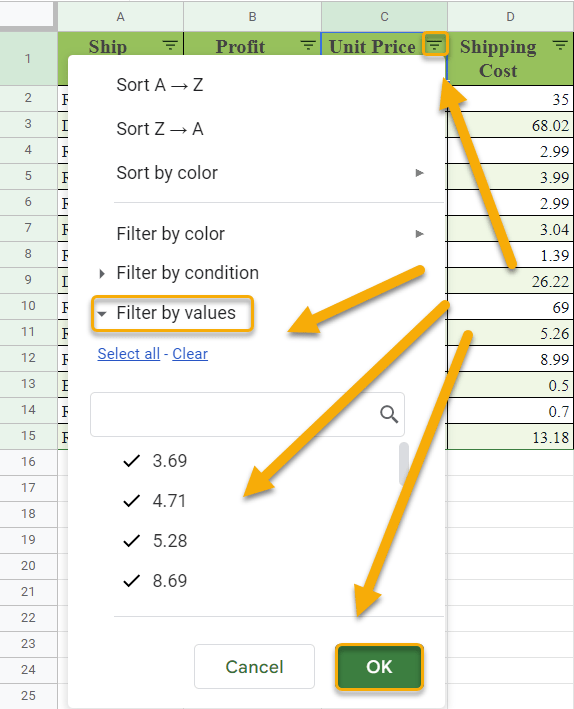
Mastering the Google Spreadsheet filter is essential for efficiently managing and analyzing data in Google Sheets, a crucial skill for streamlining workflows and making informed decisions. This comprehensive resource is specifically designed for office managers, data analysts, and team leaders seeking to optimize their spreadsheet management capabilities.
This printable Google Spreadsheet filter guide stands out due to its clear layout, detailed instructions, and versatility, making it an invaluable tool for both beginners and experienced users. With its easy-to-follow format and concise explanations, this resource provides the most effective way to learn and apply Google Spreadsheet filter functions, and the following sections will delve into the specifics of downloading, customizing, and utilizing this powerful tool.
Common Mistakes When Using Google Spreadsheet Filter (And How to Avoid Them)
Avoiding common mistakes when working with the Google Spreadsheet filter is crucial to maximizing its potential and achieving accurate, efficient data management.
Mistake 1: Incorrectly Setting Up Filter Criteria
When filter criteria are set up incorrectly, it can lead to incomplete or inaccurate data sets, resulting in wasted time and potential errors in decision-making. Correction: define specific, well-planned criteria before applying filters to ensure relevant data is captured and irrelevant data is excluded.
Mistake 2: Not Regularly Updating Filter Settings
Failing to update filter settings as data changes can cause filters to become outdated, leading to incorrect filtering and potential data loss. Correction: regularly review and update filter settings to reflect changes in the data, ensuring that filters continue to capture the correct information.
Mistake 3: Applying Filters to Incorrect Data Ranges
Applying filters to incorrect data ranges can result in partial or incomplete data filtering, compromising the accuracy of the results. Correction: carefully select the correct data range before applying filters to ensure that all relevant data is included in the filtering process.
Mistake 4: Insufficiently Testing Filter Conditions
Insufficient testing of filter conditions can lead to filters that do not accurately capture the desired data, resulting in incorrect results and potential errors. Correction: thoroughly test filter conditions to ensure they are working as intended, making adjustments as needed to achieve accurate results.
By being aware of these common mistakes and taking corrective action, the Google Spreadsheet filter can be transformed into a powerful, long-term productivity tool for efficient data management and analysis.
Who Is the Google Spreadsheet Filter For? Real-World Use Cases
The Google Spreadsheet filter is designed for a wide range of users across different contexts and goals, providing a versatile tool to organize, analyze, and visualize data. It caters to various needs, from educational and professional settings to personal and family use, offering a simple yet powerful solution to manage and understand complex data sets.
Use Case 1: Students and Learners
Students working on research projects or assignments can utilize the Google Spreadsheet filter to sift through large datasets, identifying specific information or trends that are relevant to their studies. For instance, a student researching the impact of climate change can filter a spreadsheet containing global temperature data by year, region, or season to focus on the most pertinent information, making it easier to draw conclusions and support their arguments with data-driven evidence.
Use Case 2: Teachers and Educators
In a classroom setting, teachers can leverage the Google Spreadsheet filter to streamline grading, track student progress, or organize lesson plans. For example, an educator can create a spreadsheet to record student grades across multiple assignments and use filters to quickly identify students who are struggling in a particular subject or to generate reports on class performance, facilitating more targeted and effective teaching strategies.
Use Case 3: Professionals and Office Workers
Professionals in various industries, such as marketing, sales, or finance, can use the Google Spreadsheet filter to analyze customer data, sales trends, or financial reports. A marketing analyst, for instance, can filter a spreadsheet containing customer purchase history by demographic, purchase amount, or product category to gain insights into consumer behavior, helping to inform marketing campaigns and improve customer engagement.
Use Case 4: Parents and Families
Families can also benefit from using the Google Spreadsheet filter in their daily lives. For example, a family managing a household budget can create a spreadsheet to track expenses and use filters to categorize spending by type (e.g., groceries, entertainment, utilities), date, or family member, making it simpler to identify areas for cost savings and plan for future expenses.
Regardless of the use case, the Google Spreadsheet filter provides immediate structure and clarity to data management, enabling users to focus on what matters most—whether it's completing a school project, enhancing teaching methods, driving business decisions, or managing family finances. By offering a straightforward and efficient way to organize and analyze data, the Google Spreadsheet filter is an indispensable tool for anyone looking to simplify their workflow and gain deeper insights from their data.
Why Google Spreadsheet Filter Belongs in Every Productivity Toolkit
Effective data management is crucial for making informed decisions, and Google Spreadsheet Filter solves the core problem of manually sorting through large datasets by providing a simple and efficient way to organize and analyze information. By leveraging this powerful tool, users can avoid common mistakes such as data overload and inaccurate insights, and instead, gain valuable perspectives that inform strategic choices.
As a result of consistent use, Google Spreadsheet Filter enables the development of better data management habits, leading to stronger results and cleaner workflows over time. With this capability, organizations and individuals can streamline their operations, drive growth, and achieve their goals with greater precision and confidence, ultimately unlocking new levels of productivity and success.
Additional context and verified research data can be verified on Wikipedia's Public Archives.