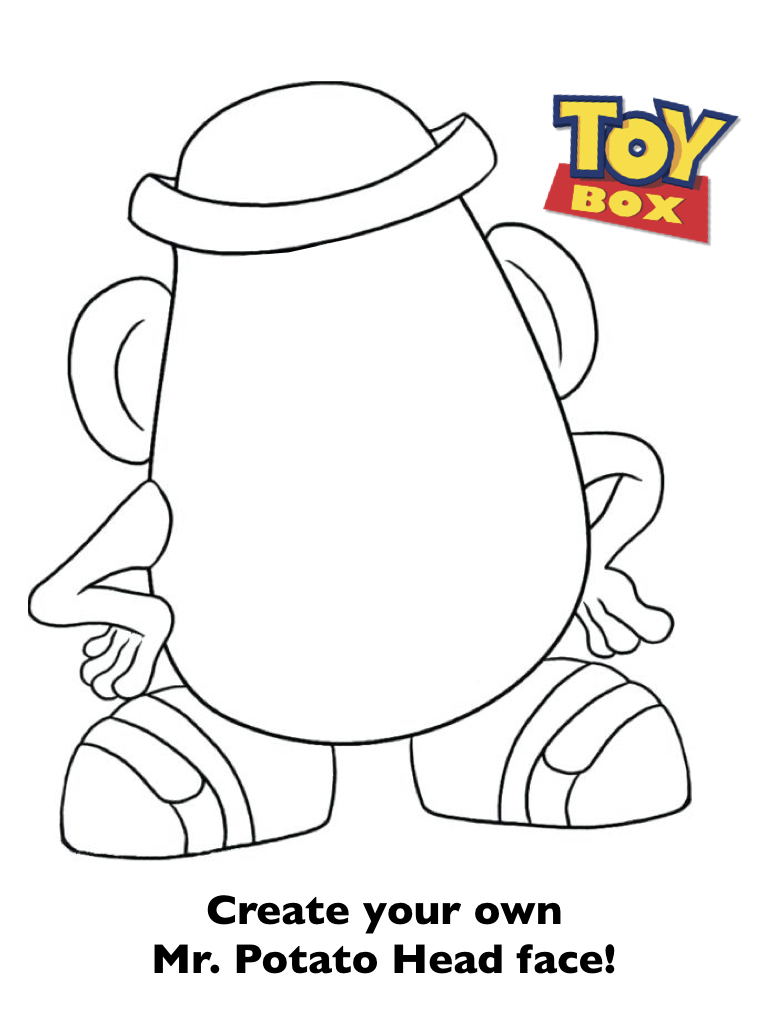
A potato head template is a versatile and engaging printable resource that serves as a visual aid for creative expression, educational activities, and planning purposes. This template typically features a blank, outline, or simple illustration of a potato head, allowing users to add various facial features, accessories, and other details. In a real-world scenario, this template can be used in a classroom setting, where students are encouraged to create their own unique potato head characters as part of an art project or to illustrate a story, promoting creativity, fine motor skills, and self-expression.
The core purpose of a potato head template is to provide a structured and convenient tool for users to explore their imagination and bring their ideas to life. Having a printable or PDF version of this template offers numerous benefits, including ease of use, reproducibility, and customization. A structured format enables users to focus on the creative process, rather than spending time designing the template from scratch. This convenience factor makes the potato head template an highly effective resource for students, teachers, and enthusiasts alike, as it saves time and effort, while promoting productivity and creativity.
For those looking to maximize the potential of the potato head template, the following sections provide detailed usage guides, frequently asked questions, and actionable tips. These resources will cover topics such as how to customize the template, incorporate it into lesson plans, and use it as a tool for brainstorming and idea generation. By exploring these sections, users can unlock the full potential of the potato head template and discover new ways to engage with this versatile and entertaining resource, making it an indispensable tool for anyone looking to spark creativity and imagination.
Frequently Asked Questions
This FAQ section covers the most common questions about downloading, printing, and using the potato head template resource, providing helpful guidance on how to get the most out of this versatile tool.
Question 1: How can the potato head template resource be downloaded or printed?
The potato head template can be downloaded in PDF format from the official website or online repository. To print, simply open the downloaded file, select the desired printer, and choose the appropriate paper size, usually 8.5 x 11 inches. Ensure the printer is set to print at 100% scale to maintain the template's original layout and design.
Question 2: Can the potato head template be customized or edited digitally?
Yes, the potato head template can be edited digitally using PDF editors such as Adobe Acrobat or other compatible software. Users can modify the layout, add or remove fields, and customize the content to suit specific needs. Additionally, some online tools and platforms offer editable templates that can be tailored before printing.
Question 3: What is the best way to utilize the potato head template for educational or organizational purposes?
The potato head template is a versatile tool that can be used in various settings, including classrooms, offices, and homes. Teachers can use it to create interactive lessons, while students can utilize it for creative projects. Professionals can also leverage the template for brainstorming, note-taking, or presentation design. To get the most out of the template, it is essential to understand its components and how they can be adapted to suit specific goals and objectives.
Question 4: What are the recommended printing settings or paper sizes for the potato head template?
For optimal results, it is recommended to print the potato head template on 8.5 x 11 inch paper, using a standard inkjet or laser printer. Set the printer to print in color, as the template's design and layout are optimized for vibrant colors. If printing in black and white, select the "grayscale" or "monochrome" option to ensure the template's contents are clearly visible.
Question 5: Are there common mistakes to avoid when filling out or using the potato head template?
Yes, there are common mistakes to avoid when using the potato head template. One of the most common errors is not leaving enough space between sections or fields, which can lead to clutter and make the template difficult to read. Another mistake is not customizing the template to suit specific needs, which can result in a generic or ineffective outcome. To avoid these mistakes, it is essential to carefully review the template's instructions and take the time to tailor it to the intended purpose.
Question 6: Where can additional answers or solutions related to the potato head template be found?
Additional answers and solutions related to the potato head template can be found on the official website, online forums, or social media groups dedicated to education, organization, or creativity. Users can also search for tutorials, videos, or blogs that provide tips and tricks on how to effectively use the template. Furthermore, many online communities and platforms offer resources, templates, and tools that can be used in conjunction with the potato head template to enhance its functionality and versatility.
In summary, this FAQ section has covered the most common questions about downloading, printing, and using the potato head template, providing valuable insights and practical tips to help users get the most out of this resource.
For more information and tips on how to effectively utilize the potato head template, please refer to the tips section below, which offers additional guidance on customization, integration, and creative applications.
Practical Tips and Best Practices
These helpful tips will enable users to get the most value out of their "potato head template" printables or templates, making them a valuable resource for extended periods. By implementing a few simple strategies, the longevity and usefulness of these worksheets can be significantly enhanced.
Tip 1: Opt for Lamination to Create a Reusable Surface
Laminating the printed worksheet or chart allows the use of dry-erase markers, making the resource reusable and eco-friendly. This approach reduces the need for frequent reprints and minimizes waste.
Tip 2: Implement a Color-Coding System for Better Organization
Using different colored highlighters, pens, or folders helps categorize different sections of the template or schedule for quick visual scanning. This technique enables easy identification of various components and streamlines the organization process.
Tip 3: Adjust Print Scaling Settings to Avoid Cutoffs
Selecting "Fit to Page" or "Scale to Fit" in print settings ensures the entire template fits perfectly on standard Letter or A4 paper. This adjustment prevents cutoffs and guarantees that all essential elements are included on the printed page.
Tip 4: Organize Resources in a Dedicated Planner or Binder
Punching holes in the printed sheets and organizing them chronologically or by category in a 3-ring binder allows for easy reference and retrieval. This method keeps all related materials in one convenient location, making it simpler to manage and maintain the resources.
Tip 5: Utilize Digital PDF Annotation Tools for Paperless Use
Importing the PDF template into annotation apps on tablets enables writing directly on the screen, providing a paperless workflow. This approach offers an alternative to traditional printing and is ideal for users who prefer a digital environment.
By applying these simple yet effective strategies, the efficiency and durability of the "potato head template" resource can be significantly enhanced. The combination of lamination, color-coding, optimized printing, organized storage, and digital annotation tools creates a robust system for maximizing the usefulness of this valuable resource.
With these practical tips and best practices, users can unlock the full potential of their "potato head template" printables or templates, ensuring they remain a trusted and reliable tool for an extended period.
Conclusion
The utilization of a well-structured "potato head template" resource, template, or worksheet significantly simplifies tasks, improves learning, and boosts organization. By providing a clear and consistent framework, this tool enables the efficient completion of tasks, enhances creativity, and fosters a deeper understanding of the subject matter. The long-term value of using such a template lies in its ability to streamline workflows, reduce errors, and promote a sense of accomplishment. The convenience and efficiency gains are substantial, as it saves time and effort that can be redirected towards more critical aspects of a project or educational pursuit.
Taking the time to download, print, or set up a "potato head template" resource is a highly rewarding step toward achieving productivity, clarity, or educational success. The benefits of using this tool will become apparent over time, as it helps to develop essential skills, such as critical thinking, problem-solving, and attention to detail. By incorporating this resource into daily routines or educational activities, the potential for growth, improvement, and achievement is greatly enhanced, making it an invaluable investment for anyone seeking to simplify, organize, and excel in their endeavors.
Additional context and verified research data can be verified on Wikipedia's Public Archives.